



There is much being written right now about employee burnout. And for good reason. Employees are burning out. Thereβs been a lot going on. A pandemic. A shift to remote work. The flu season. A shift back to the office. Travel back on. More pandemic. Travel off. A shift back to remote workβ¦ oh, and the great resignation, which means new jobs, new expectations, new workloads or (for those left behind) shrinking teams doing expanding work, and less people delivering more projects. And so on it goes.
All the while, dedicated and committed employees have been working their butts off to keep up. People are trying to stay on top of the rising pressures of βjust getting on with itβ. But they are struggling.
Donβt let the experience of burnout be your teacher. Let the idea of burnout be your preacher. Let it be the motivational speech that spurs you into action, before itβs too late.
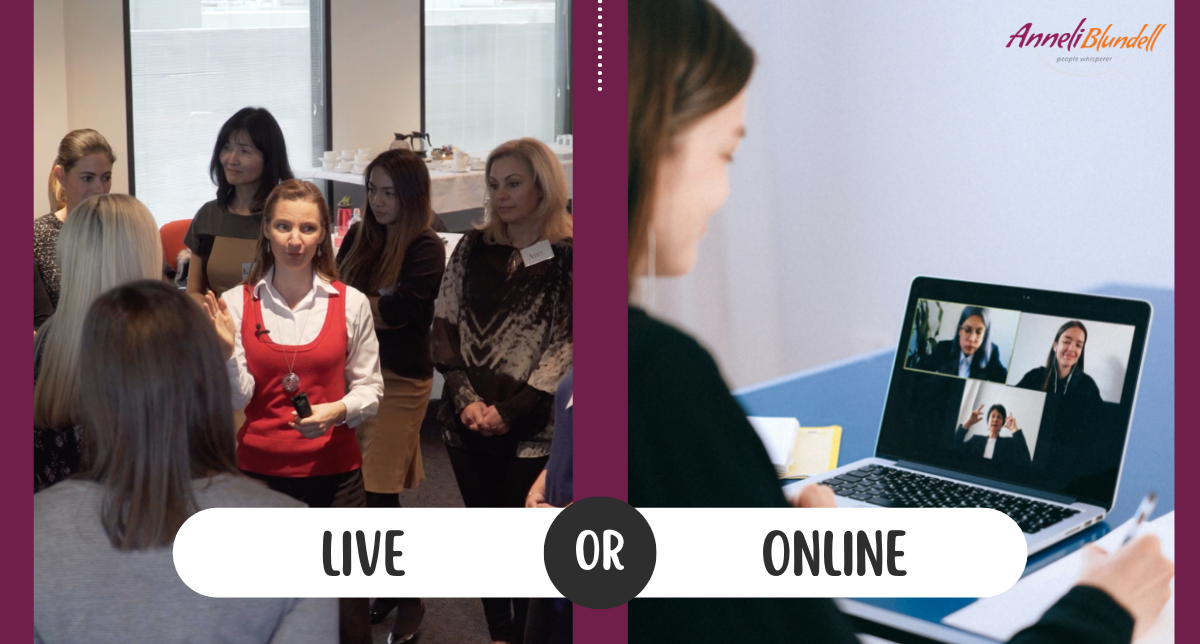
Live or Online? What type of training provides the best results?
Now we are back in the office (in some way, shape or form) we need to decide what comes back with us, and what stays on line. This is particularly important for training and development and team building. Over the last few years, we have proven that not only can we work remotely, we can also learn remotely.
So, should we go back to doing these things in person now that we can?
Read the full article to know more.
The secret to getting people back to the office
The secret to getting people back to the office, is not to get them back to the office. Yep. You read that right. It might not be the answer you want to hear, but itβs the reality.
Of course, thereβs a little more to the story but letβs start by ripping the band aid right off. Blanket mandates forcing people to come back to the office, will have dire consequences. Not only will your people resist coming back, they are likely to leave altogether.
Thankfully, over 15 years of studying human behaviour and obsessing about why people do what they do, has shown me that there are other options.
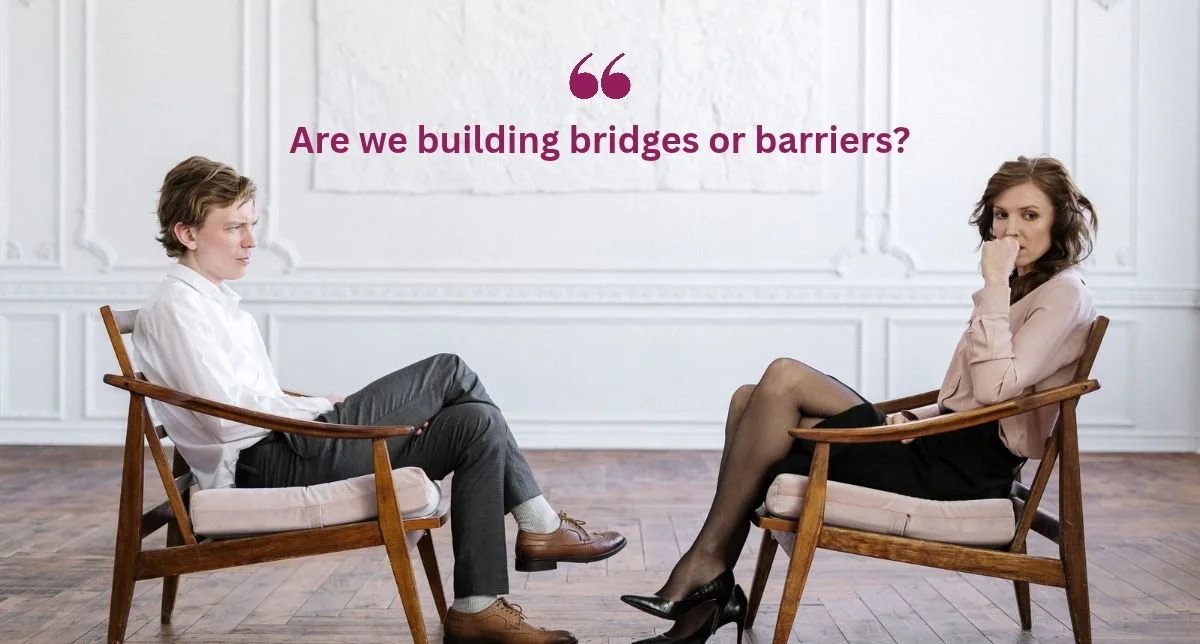
Is the 'best person for the job', the 'best fit for the team'?
ππ¬ ππ‘π βπππ¬π π©ππ«π¬π¨π§ ππ¨π« ππ‘π π£π¨πβ, ππ‘π 'πππ¬π ππ’π ππ¨π« ππ‘π ππππ¦'? Do you believe in the power of diversity to deliver results? Do you believe in a champion team, or a team of champions? Do you pick the best person for the job even if they are not the best person for the team? Maybe βbest personβ for the job, isnβt the best person for the team. And maybe that's an equally important measurement. Food for thought. Perhaps we need to broaden our definition of best person for the job, to account for the actual impacts we have on one another β it's how we work together; how we deliver results together; it's how we are made better together that will get real results.