
What Spotify can teach us about delivering bad news
Every year, Spotify does its end-of-year ritual.
Spotify Wrapped.
It tells you how many hours you listened, your top genres, favourite artists, podcasts, audiobooks, and all the data-fuelled insights you didn’t know you needed but secretly love.
I was happily flicking through mine.
Nodding along.
Yep, fair call.
Accurate.
Reasonable.
And then Spotify paused.
Before revealing my “listening age,” it warned me.
Something along the lines of:
You might want to sit down for this one.
This might feel like bad news, but here we go.
Then the reveal.
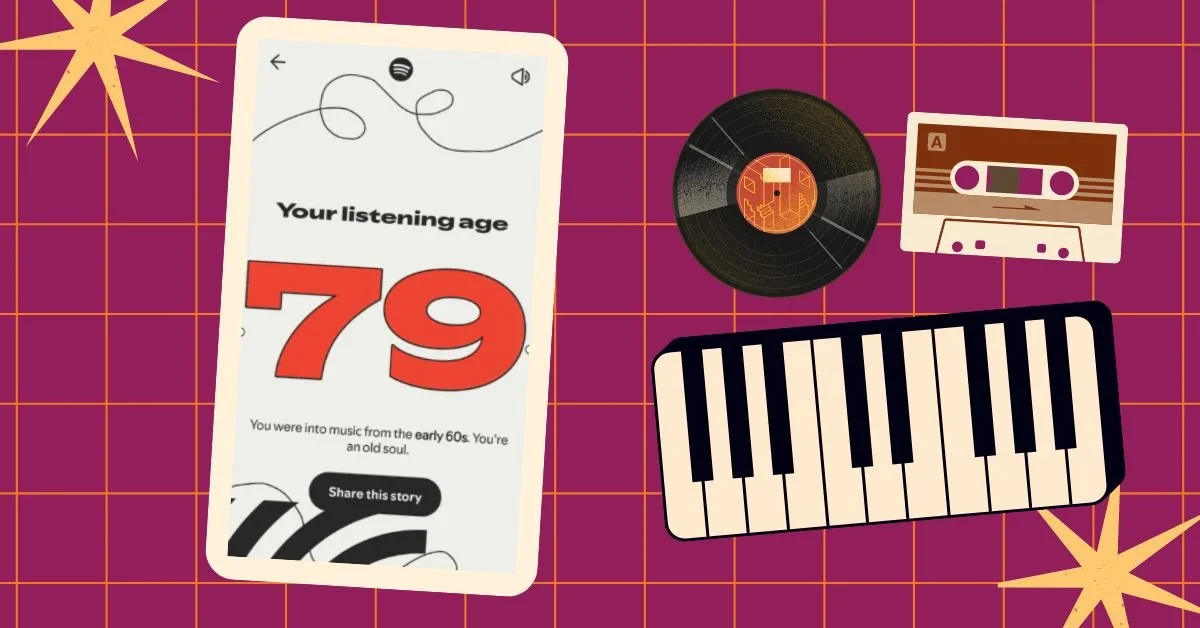
My Spotify listening age is 79.
Seventy-nine.
Let that land.
I turn 50 this year.
Now, yes, I am an old soul.
Yes, my playlists span everything from very current and cool to music that is… generously described as “classic.”
(I blame my mother. She accepts full responsibility. And I stand by Cat Stevens, Stevie Wonder and Fleetwood Mac.)
But here’s the thing that caught my attention.
Even an app understands something important about delivering bad news.
Spotify didn’t just drop the bomb and walk away.
It didn’t surprise me with it.
It prepared me.
And that is where the leadership lesson sits.
Bad News Is Not Just About the Message
It’s about the delivery.
There is a strategy to delivering bad news well.
And one of the most important rules is this:
Don’t ambush people.
People do not like surprises when it comes to difficult information.
They want some form of warning.
They want time to steady themselves, emotionally and cognitively, before they receive it.
Spotify did exactly that.
It sign posted what was coming.
It named that this might not feel great.
It gave me a moment to brace.
That small pause mattered.
What This Looks Like in Real Conversations
In workplaces, leaders often avoid this step entirely.
They either blurt out the bad news or bury it in small talk and hope it somehow softens the blow.
Neither works.
Depending on the gravity of the message, preparation can sound like:
“Can I see you in my office? There’s something important we need to talk about. You might not like it, but it matters.”
Or:
“I want to give you a call later today. It’s not great news, but it’s important we talk it through properly.”
Or even:
“I want to flag that this conversation might feel uncomfortable. I’d rather be upfront so we can handle it well together.”
This does two things.
First, it gives the other person a chance to regulate themselves.
To slow down.
To show up present rather than blindsided.
Second, it signals respect.
You are telling them: this matters enough to be handled properly.
But Won’t That Make People Anxious?
Yes. Sometimes.
People are meaning-making machines.
Give them a heads-up and their imagination can run wild.
But here’s the trade-off.
The risk of someone telling themselves a dramatic internal story is often outweighed by the benefit of them being psychologically ready to hear what you need to say.
Prepared people listen better.
They react less defensively.
They stay engaged rather than shutting down.
And if the news truly matters, you want them fully present for it.
The Real Lesson From Spotify
Good delivery is not about sugar-coating.
Spotify still told me I listen like a 79-year-old.
It just did it with awareness.
The warning softened the impact without diluting the truth.
The humour helped, but the preparation did the heavy lifting.
If an algorithm can grasp this nuance, we probably can too.
When leaders rush bad news, hide it, or drop it without warning, it is rarely efficient.
It is just uncomfortable avoidance dressed up as decisiveness.
The better move is simple, human, and strategic.
Let people know what is coming.
Give them a moment to sit down.
Then say the thing that needs to be said.
And if all else fails, blame your mother.